Enhancing smiles: A comprehensive guide to dental crown treatments
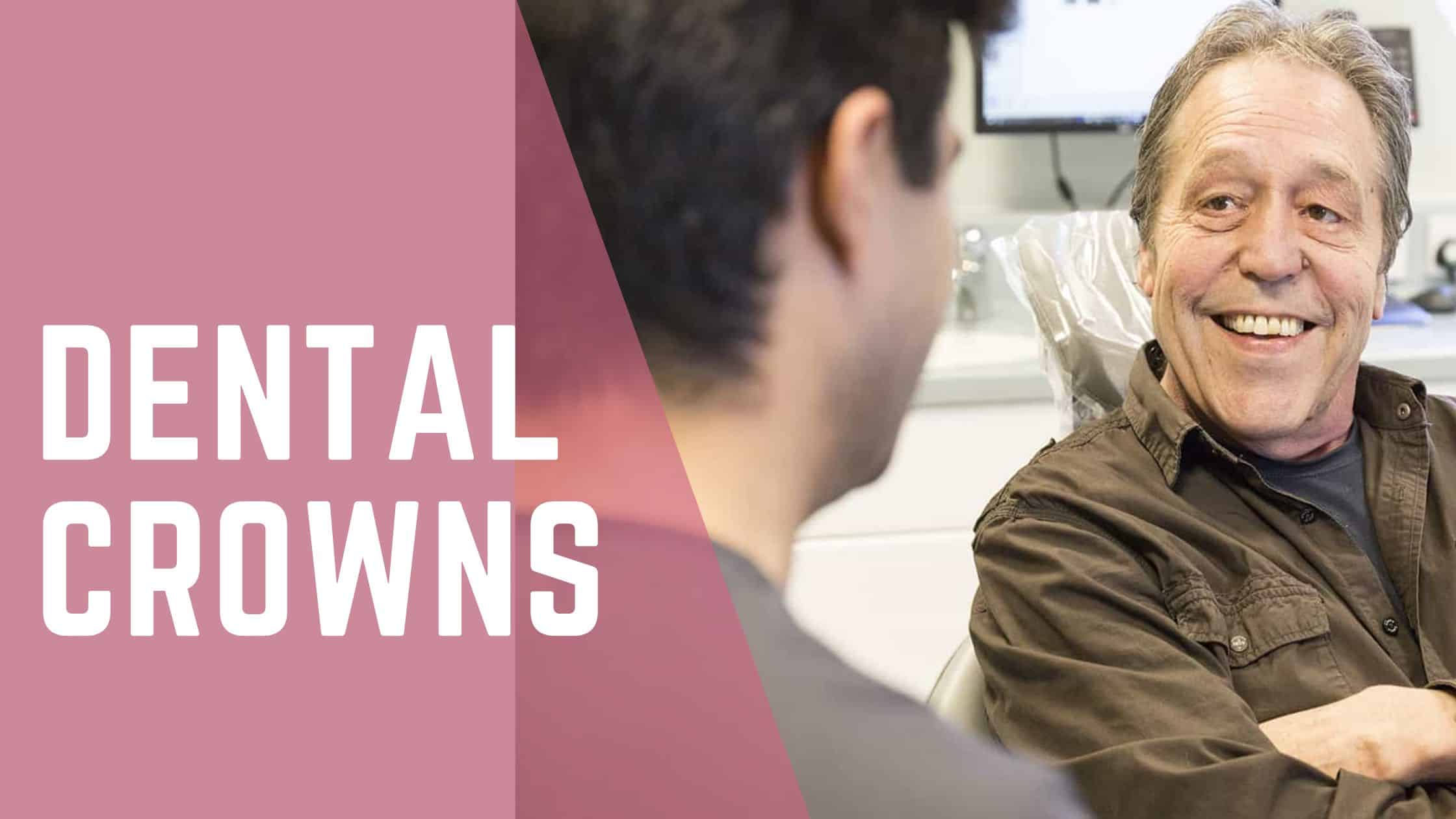
A beautiful smile can be a powerful asset, portraying confidence and charisma. However, dental issues such as tooth decay, cracks or discolouration can affect the health and appearance of your smile and impact overall oral and general health. Fortunately, modern dentistry offers a range of solutions, one of the most versatile being dental crown treatments.
What are dental crowns?
Dental crowns, also known as ‘caps’ are tooth-shaped prosthetics designed to cover a damaged or weakened tooth-restoring its strength, shape, size and appearance. These custom-made restorations are typically crafted from materials such as porcelain or a combination metal alloy which ensures durability and provides excellent aesthetics.
Types of contemporary dental crowns
- Aesthetic crowns. Known for their more natural-looking appearance, these crowns are meticulously crafted to match the colour and translucency of natural teeth, making them virtually indistinguishable. They are an ideal choice for restoring front teeth or those that are in the ‘aesthetic zone’ and visible when smiling;
- Traditional metal crowns. Constructed from traditional materials such as gold, platinum or metal alloys these types of crowns offer strength and durability and can be a great choice for back teeth that are subjected to heavy chewing forces. Although they are resilient, their appearance does not appeal to everyone and are generally not used for teeth that are visible when smiling;
- Glass-ceramic and zirconia crowns. Crafted entirely from novel materials, these crowns boast natural translucency and are free from heavy metal components. All of these crowns offer excellent aesthetics and biocompatibility, making them a very popular choice for most patients undergoing dental crown work. Moreover, they are a perfect choice for patients with common metal allergies.
What happens when getting a dental crown?
The process of getting a dental crown typically involves multiple steps, carried out over multiple appointments.
- Consultation and examination. During the initial consultation, your dentist will examine your oral health, discuss treatment options and determine if a dental crown is suitable for your specific dental needs;
- Tooth preparation. To accommodate the crown, the receiving tooth is reshaped or ‘prepped’ by removing a small proportion of its outer structure. This step ensures a proper fit and allows the crown to seamlessly blend with adjacent teeth and the gumline;
- Impressions taking or scanning. Precise records of the prepared tooth and surrounding teeth are taken to fabricate a custom-made crown that fits snugly and matches perfectly to your bite;
- Temporary placement. While your permanent crown is being crafted in a dental laboratory by one of our carefully selected laboratory technicians, a temporary crown may be placed to protect the underlying prepared tooth;
- Fitting. Once the dental crown is ready, it is meticulously checked for fit, colour and bite alignment before being cemented onto the prepared tooth;
- Follow-up. After dental crown placement, it is important to maintain regular examinations with your dentist to ensure proper function, aesthetics and longevity of the restoration.
Benefits of dental crowns
- Restored function. Dental crowns reinforce a weakened or damaged tooth, allowing you to bite, chew and speak with confidence;
- Improved aesthetics. Dental crowns can enhance the appearance of damaged and discoloured teeth, restoring a natural, radiant smile;
- Longevity. With proper care and maintenance, dental crowns can last for many years – providing lasting results. It is important to brush twice daily with a fluoridated toothpaste and electric toothbrush and floss daily. It is also important to keep up with regular dental examination and hygiene appointments;
- Protection. Dental crowns protect vulnerable teeth from potential further damage, preventing complications such as fractures or decay;
Dental crown treatments offer a versatile solution for restoring damaged teeth and can really enhance the aesthetics of a smile. Whether you require a dental crown for functional or aesthetics reasons, consulting with a qualified and experienced dentist is the first step towards achieving optimal oral health and aesthetics. With advancements in dental technology and materials, dental crowns continue to deliver durable and natural looking results. This allows patients to enjoy the benefits of a confident, healthy smile for many years to come.
Contact our team today to schedule an appointment with one of our experienced clinicians for a comprehensive consultation to discuss if dental crown treatments are right for you.
Related Blogs