Fun Ways Kids Can Build Better Brushing Habits
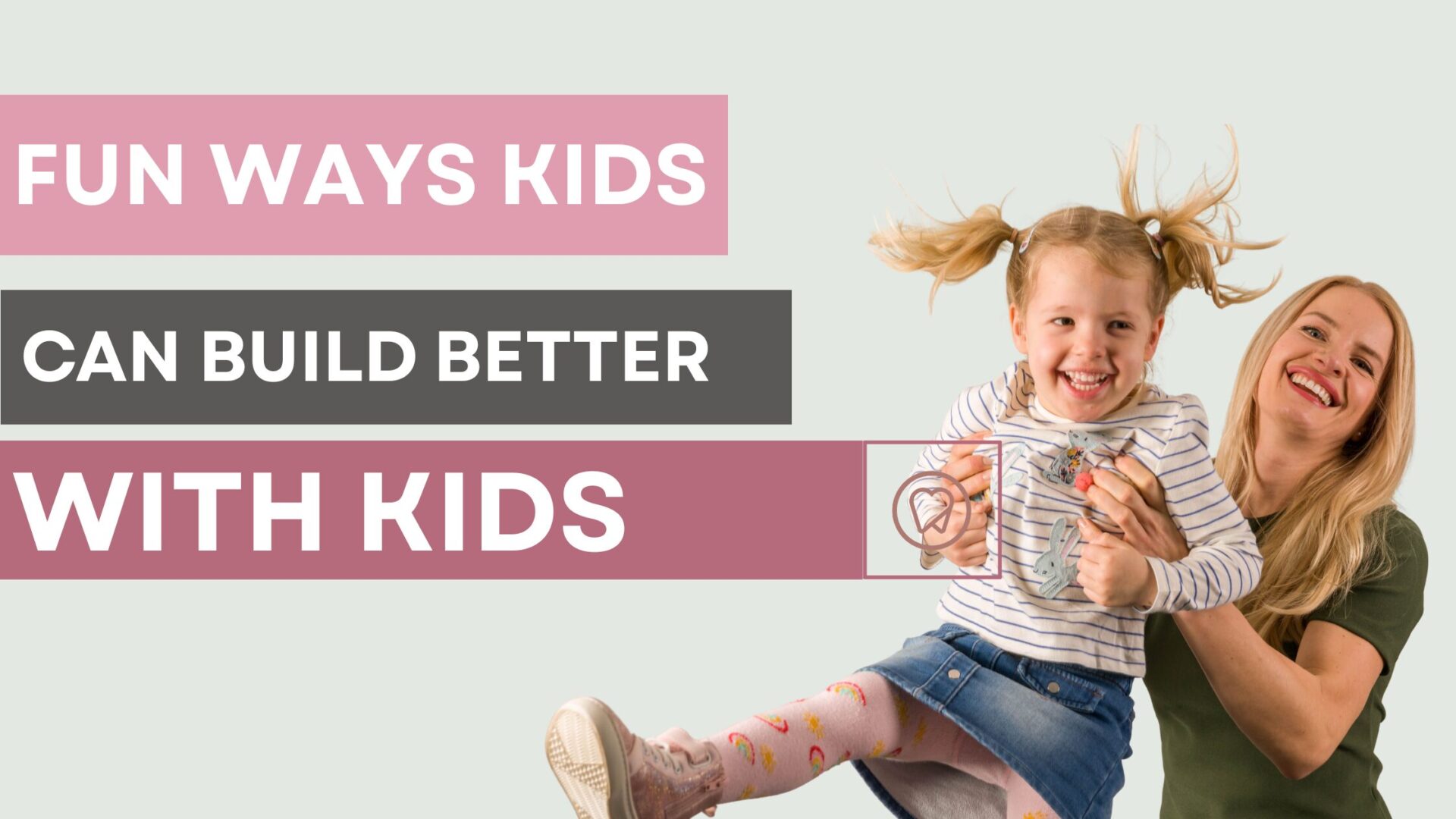
Getting children to brush their teeth can often feel like a daily struggle, but with the right approach, it can become a positive, enjoyable habit rather than a battle. Good oral hygiene habits formed in childhood are incredibly important, as they lay the foundation for lifelong dental health. When children learn to care for their teeth early, they are far more likely to continue these habits into adulthood, reducing the risk of decay, gum disease, and dental anxiety later in life.
The key is not force, but encouragement, consistency, and creativity. By making brushing fun, involving children in choices, and reinforcing positive behaviour, parents and carers can turn a difficult routine into something children actually look forward to.
In this blog, we will explore five practical and effective ways to help children brush their teeth more easily, why these methods work, and how they contribute to long-term oral health. We will also look at the importance of regular oral health assessments in supporting children’s dental development.
- Make brushing fun and engaging
One of the most effective ways to encourage children to brush their teeth is to make the experience fun. If brushing feels like a game rather than a task, children are much more likely to cooperate.
You can make brushing enjoyable by:
- Playing a favourite song that lasts two minutes
- Using a brushing app with animations or characters
- Creating a simple “toothbrushing dance”
- Using a timer that makes it feel like a challenge
The goal is to turn brushing into something positive rather than a chore. When children associate brushing with fun, they are more likely to stick with it willingly.
Two minutes can feel like a long time for a child, but when it is filled with music or entertainment, it becomes much more manageable.
- Let them choose their toothbrush and toothpaste
Children are far more likely to engage in oral hygiene when they feel a sense of ownership over the process. Allowing them to choose their own toothbrush and toothpaste gives them control and makes the experience more personal.
Look for:
- Brightly coloured toothbrushes
- Toothbrushes featuring favourite characters
- Mild, child-friendly toothpaste flavours
- Fun packaging or designs
When children feel involved in the decision-making process, brushing becomes something they want to do rather than something they are told to do.
This small change can make a surprisingly big difference in daily cooperation.
- Lead by example
Children learn by watching the adults around them. If they see parents or carers brushing their teeth regularly and properly, they are much more likely to imitate that behaviour.
Brushing together as a family can:
- Reinforce routine
- Demonstrate correct technique
- Make brushing feel like a shared activity
- Reduce resistance from children
When children see oral hygiene as a normal part of everyday life, it becomes easier for them to accept it as part of their own routine.
Even young children who are not yet able to brush effectively on their own can benefit from watching and copying adults.
- Create a consistent routine
Consistency is one of the most important factors in building any habit, especially for children. Setting regular brushing times helps children understand what is expected and reduces resistance.
A simple routine could include:
- Brushing after breakfast
- Brushing before bed
Keeping the timing consistent each day helps reinforce the habit. Over time, brushing becomes automatic rather than something that needs constant reminders.
It can also help to link brushing to other daily activities, such as:
- Getting dressed in the morning
- Putting on pyjamas at night
- Reading a bedtime story
These associations help children remember and accept brushing as part of their daily rhythm.
- Use positive reinforcement
Encouragement plays a powerful role in shaping behaviour. Instead of focusing on what children are doing wrong, praising their efforts helps build confidence and motivation.
Positive reinforcement can include:
- Verbal praise such as “well done for brushing so well”
- Sticker charts to track progress
- Small rewards for consistent brushing
- Celebrating milestones, such as a full week of brushing twice daily
The aim is to make children feel proud of their achievements. When they feel good about brushing, they are more likely to continue doing it.
Rewards do not need to be large or material. Often, simple recognition is enough to encourage consistency.
Why these methods work
These strategies are effective because they focus on behaviour rather than pressure. Children respond best when they feel:
- Involved
- Encouraged
- Supported
- Understood
Forcing brushing can often lead to resistance, whereas positive reinforcement and engagement help build cooperation and long-term habits.
By turning brushing into a structured, enjoyable routine, children begin to see it as a normal and important part of their day.
The importance of early oral health habits
Establishing good oral hygiene early in life is essential for preventing common dental issues such as:
- Tooth decay
- Gum inflammation
- Sensitivity
- Fear of dental visits
Children’s teeth are particularly vulnerable to decay, especially if sugar intake is high and brushing is inconsistent. Teaching proper habits early helps protect both baby teeth and developing adult teeth.
Good oral hygiene in childhood also reduces the likelihood of dental anxiety in later life, as children become familiar with caring for their teeth and visiting the dentist.
The role of oral health assessments
Regular oral health assessments are an important part of children’s dental care. These appointments allow dentists to monitor development and identify any potential issues early.
During oral health assessments, a dentist may:
- Check for signs of decay
- Assess tooth development and alignment
- Monitor gum health
- Provide advice on brushing technique
- Offer dietary guidance to reduce sugar intake
These appointments also help children become familiar with the dental environment, reducing fear and building confidence over time.
Early detection of problems can prevent more serious issues from developing and ensures that children’s teeth remain healthy as they grow.
Making oral care a positive experience for life
The habits children learn in early childhood often stay with them into adulthood. This is why making oral hygiene positive, consistent, and engaging is so important.
When brushing is associated with fun, routine, and encouragement, children are more likely to:
- Maintain good oral hygiene independently
- Value their dental health
- Feel confident about visiting the dentist
- Avoid common dental problems
These early experiences shape how they care for their teeth for the rest of their lives.
Final thoughts
Helping children brush their teeth does not need to be a daily struggle. By making brushing fun, allowing them to make choices, leading by example, creating a consistent routine, and using positive reinforcement, parents and carers can transform oral hygiene into a positive and manageable habit.
Combined with regular oral health assessments, these strategies support healthy development and set the foundation for lifelong oral health.
With patience and consistency, toothbrushing can shift from resistance to routine, helping children grow up with strong, healthy smiles and a positive attitude towards dental care.
Related Blogs